What Is The Deviation Between Residential And Commercial Electricians?

System Solutions Of Washington • February 28, 2022

If you wonder what makes commercial electricians different from residential electricians, you have come to the right place. In fact, most electrical jobs are entirely different at a commercial level compared to a domestic setting. Electrical installations and maintenance differ a lot at commercial and household levels. A commercial electrician requires more qualifications and experience to handle complex electrical installations and maintenance tasks in commercial buildings. This article answers the question - "What is the difference between residential and commercial electricians?"


Experience

Residential electricians are responsible for finishing home electrical installations and maintenance, including safety and compliance issues. They have to interpret blueprints, diagnose & repair electrical faults, inspect & rewire residential electrical systems, and maintain low voltage electrical appliances and fixtures.


A commercial electrician will do many of these duties more complex and more significant scale. They are responsible for installing commercial wiring systems, control panels, and machines under the official blueprints. Commercial electrical professionals typically work on projects such as commercial buildings, business locations, factories, industrial complexes, public buildings, and new commercial construction. They will also handle high voltage systems, often required when managing major industrial and commercial projects.


Technical Skills

Both commercial and residential electricians have similar education and training facilities at the beginning of their careers. They usually train as apprentices or in trade schools and possess undergraduate degrees at times. Although primary education and training are the same for both professions, commercial contractors require much higher technical skill levels due to factors like safety, reliability, and complexity that they have to deal with while performing their jobs.


Three-phase electrical systems require more knowledge and technical skills to set up and install. A commercial contractor should deal with three-phase systems and requires more skills to handle voltage balancing, control systems, and phase diagrams. Hence, they need higher qualifications - Master Electrician & above - and over 4,000 hours of job experience.


Knowledge Of Equipment

There is a lot of deviation between the electrical systems in a home and a commercial establishment. For example, emergency lighting systems are mandatory for commercial buildings. A domestic electrician may not have the right experience to deal with such systems. Domestic electricians deal with single-phase electrical systems ranging between 120V-240V. At the same time, a commercial contractor needs to deal with three-phase systems. The equipment and supplies used to install, maintain, and repair these electrical systems vastly differ. For example, domestic electrical systems usually require thin gauge cabling and are far less complicated.


Scale Of Projects

Scale is a significant area that separates commercial and domestic electricians. A residential electrician takes on much smaller electrical projects than a commercial electrician. Commercial electrical companies have access to a large team of qualified electricians to handle commercial projects, which makes them better equipped to work on larger commercial projects.


Suppose you are searching for a reliable commercial electrician in Washington.

 In that case, you don't have to look further than System Solutions of Washington.
By System Solutions Of Washington August 17, 2026
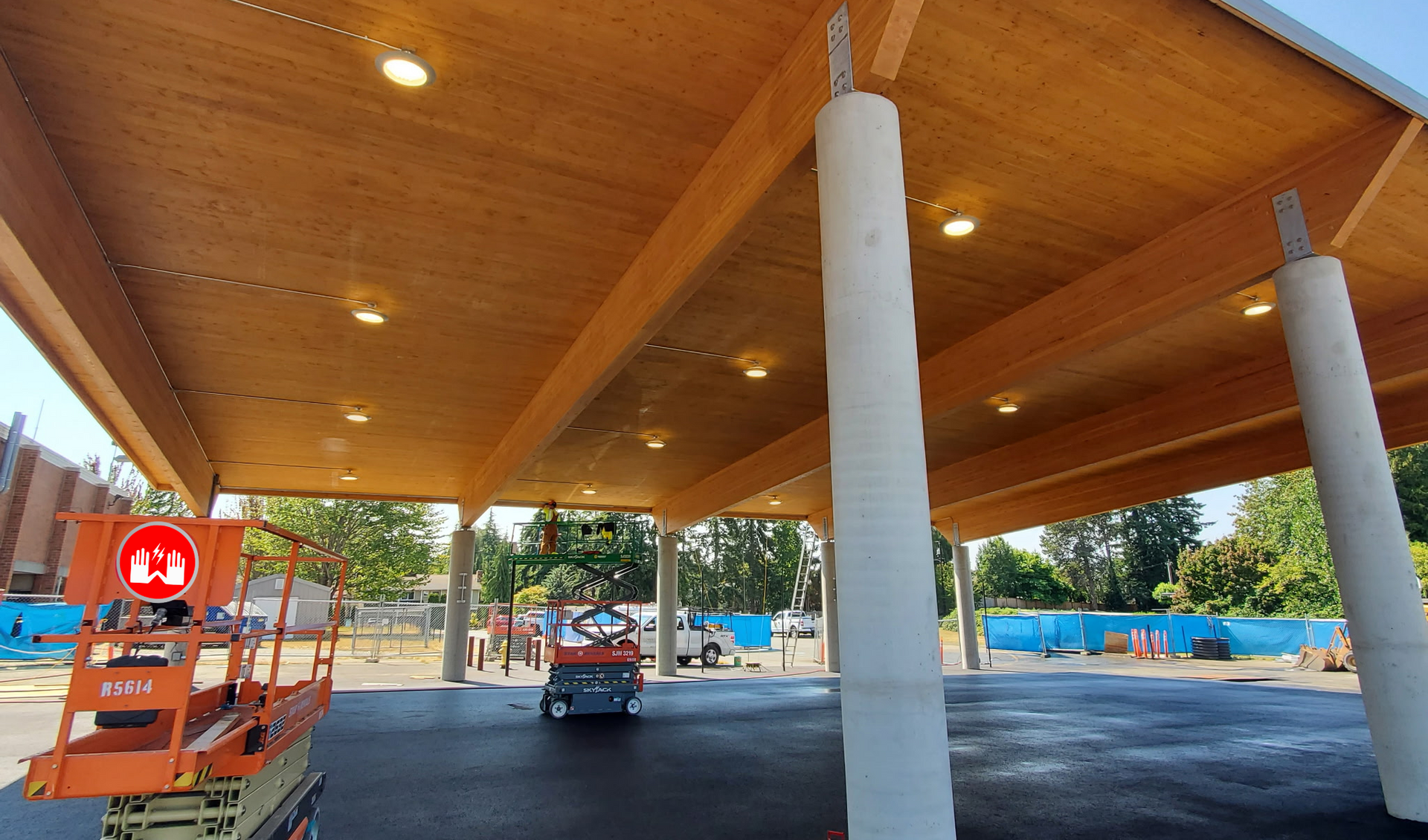
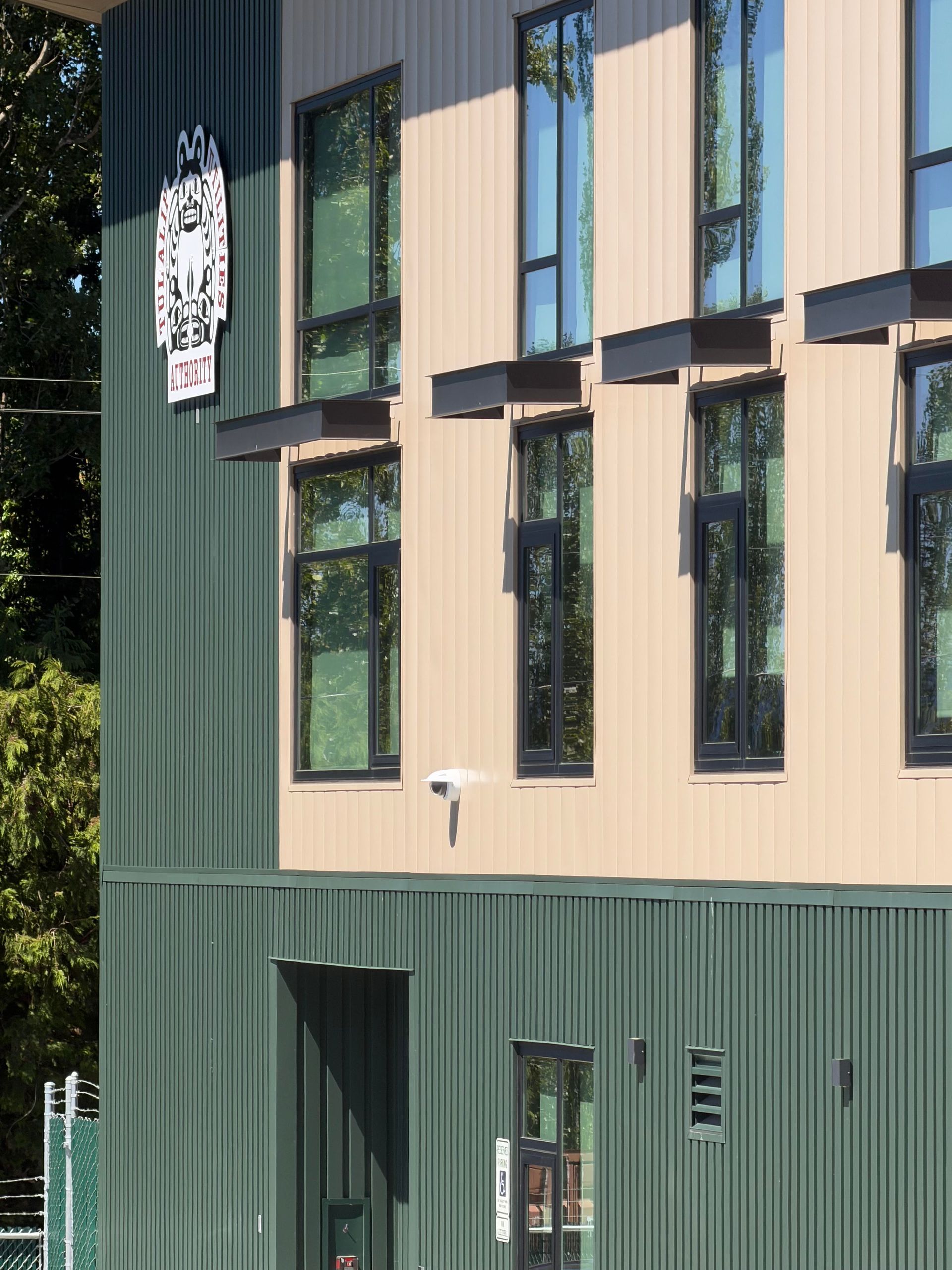
System Solutions of Washington partnered with LCi | Lincoln Construction, Inc. to deliver the complete electrical scope for the Tulalip Utilities Department's newly upgraded 7,800-square-foot facility — a project nearly two years in the making that now serves as the operational backbone of the Tulalip community's water and wastewater infrastructure. Some projects are about more than electrical systems. They're about the people who depend on them. The Tulalip Utilities Department serves the Tulalip Tribes community in Snohomish County, Washington — managing the water and wastewater systems that keep homes, businesses, and tribal facilities running. For years, the department operated out of a building constructed in the early 1960s. By the time planning for a replacement began in 2021, the facility had outlived its useful life. Electrical systems no longer met code. Foundation cracks, roof leaks, mold — including some of the most hazardous varieties — and even wildlife infestations had made the building a health and safety concern for the employees who worked there every day. "The building was just timed out," said Mike Leslie, Tulalip Utilities Operations Administrator. "It was built in the early 60s, so it had seen its useful days." The solution was a ground-up replacement: a modern, 2-story, 7,800-square-foot facility designed to serve the Tulalip community for decades. System Solutions of Washington was selected to deliver the electrical scope, working alongside general contractor LCi | Lincoln Construction, Inc. — a Puget Sound-based firm with over 70 years of experience building schools, municipal facilities, and commercial projects across Western Washington. The ribbon was cut on May 25, 2026, with Tulalip Tribes Chairman Hazen Shopbell presiding over the celebration. A Facility Built for the Community It Serves The new Tulalip Utilities building wasn't designed simply to replace what was lost. It was designed to improve every aspect of how the department operates and serves its community. Customer Service: The new layout brings reception staff and billing specialists together in a single, accessible location — making it easier for tribal community members and utilities customers to get questions answered quickly and efficiently. The previous facility lacked a proper customer-facing space. Laboratory Capabilities: The centerpiece of the new building is an upgraded laboratory that allows Tulalip Utilities to process water and wastewater samples required under updated Environmental Protection Agency (EPA) permits. The new lab provides sampling capabilities and equipment that position the department to meet regulatory requirements well into the future. Employee Safety and Wellbeing: The previous building posed documented health risks to employees — including three types of mold, structural deterioration, and pest infestations. The new facility was designed from the ground up with employee health, safety, and comfort as a priority.  Future Growth: Additional space was built into the structure to accommodate employee expansion as the Tulalip community continues to grow. The facility was designed not just for today's needs, but for the next generation of utility operations.
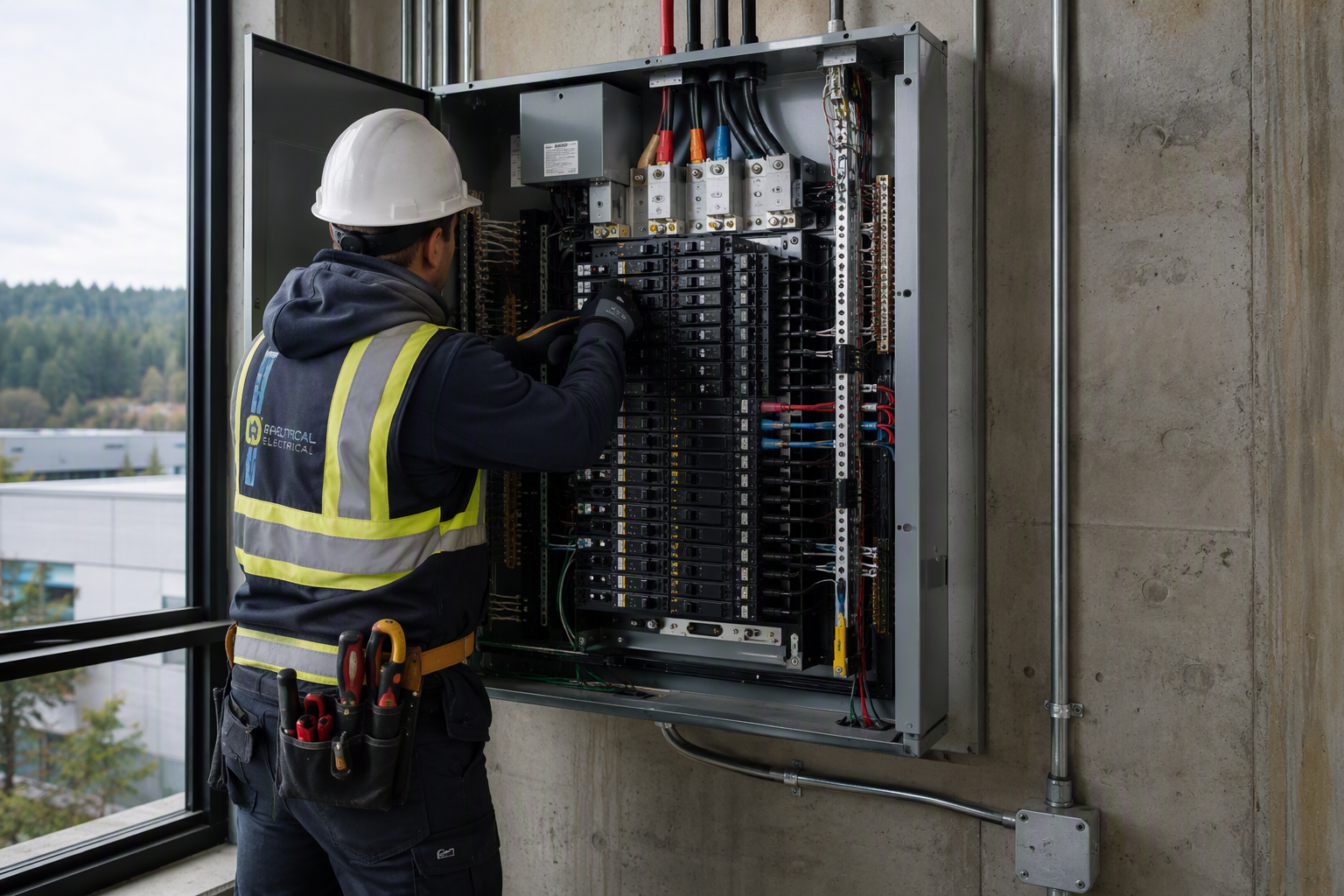
Electrician working inside an open outdoor electrical panel on a construction site.
July 27, 2026
Before your next tenant signs, know what your building's electrical system can support. System Solutions of Washington breaks down TI electrical responsibilities, shell delivery conditions, and what to include in your work letter.
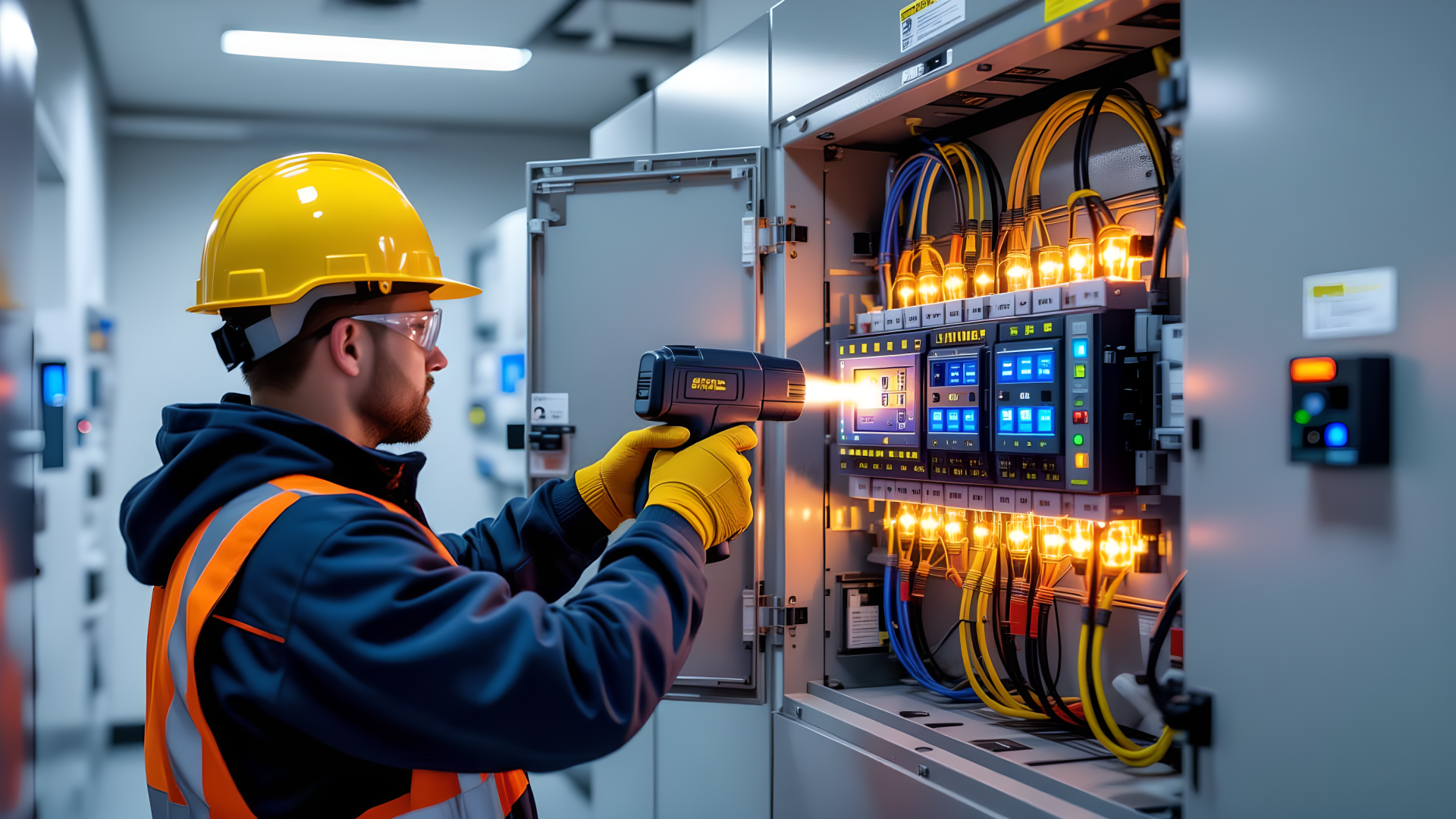
Two construction workers in safety vests and helmets review blueprints beside an electrical panel.
By System Solutions of Washington June 29, 2026
From load calculations to 2026 NEC code requirements, System Solutions of Washington breaks down everything Puget Sound property owners need to know about electrical planning.
More Posts