Fix an Electrical Outlet Not Working in Your House
Morning Coffee is a must in most northwest homes. With that said, It can be a headache when you press the brew button on the coffee maker, and nothing happens. It could be an electrical issue. Upon investigating, you find that the kitchen electrical outlet is not working. Now what??? Before you call a professional, here are a few tips to run through. It involves checking your GFI breaker, panel breakers, and lastly, check your arc fault breakers. These three types of breakers cause some of the most common electrical problems you may face now and then. Today, I will mention a few tips that can help identify these problems and fix them within a few minutes.

Tripped Ground Fault Circuit Interrupter Outlets
One of the most common reasons for your outlet not working is that it is wired with a Ground Fault Circuit Interrupter outlet, also known as GFI, or GFCI. The outlet could also be a GFI itself. A GFI outlet typically will have two buttons in between where you plug in your appliance. One is labeled "test," and the other button is labeled "reset." There may be a light between the two plugs as well. The color of the light or if it is on or off will indicate the outlet's power status. To fix this issue, you must unplug your appliance first. If the GFI breaker is tripped, the reset button will be sticking out on most outlets. Next, press the reset button. Do this for the other outlets on the circuit, if applicable. With a click of the reset button, the power should come back on. If you continue not to have power, press the test button and then hit the reset button again. Suppose you continue to have no power. Check your breaker panel. If the reset button does not reset, you may have a faulty GFI or an issue with the circuit or the appliance. A GFI is a crucial safety mechanism. If it is not working correctly, you need to call a certified electrician.
Tripped Thermal Breakers
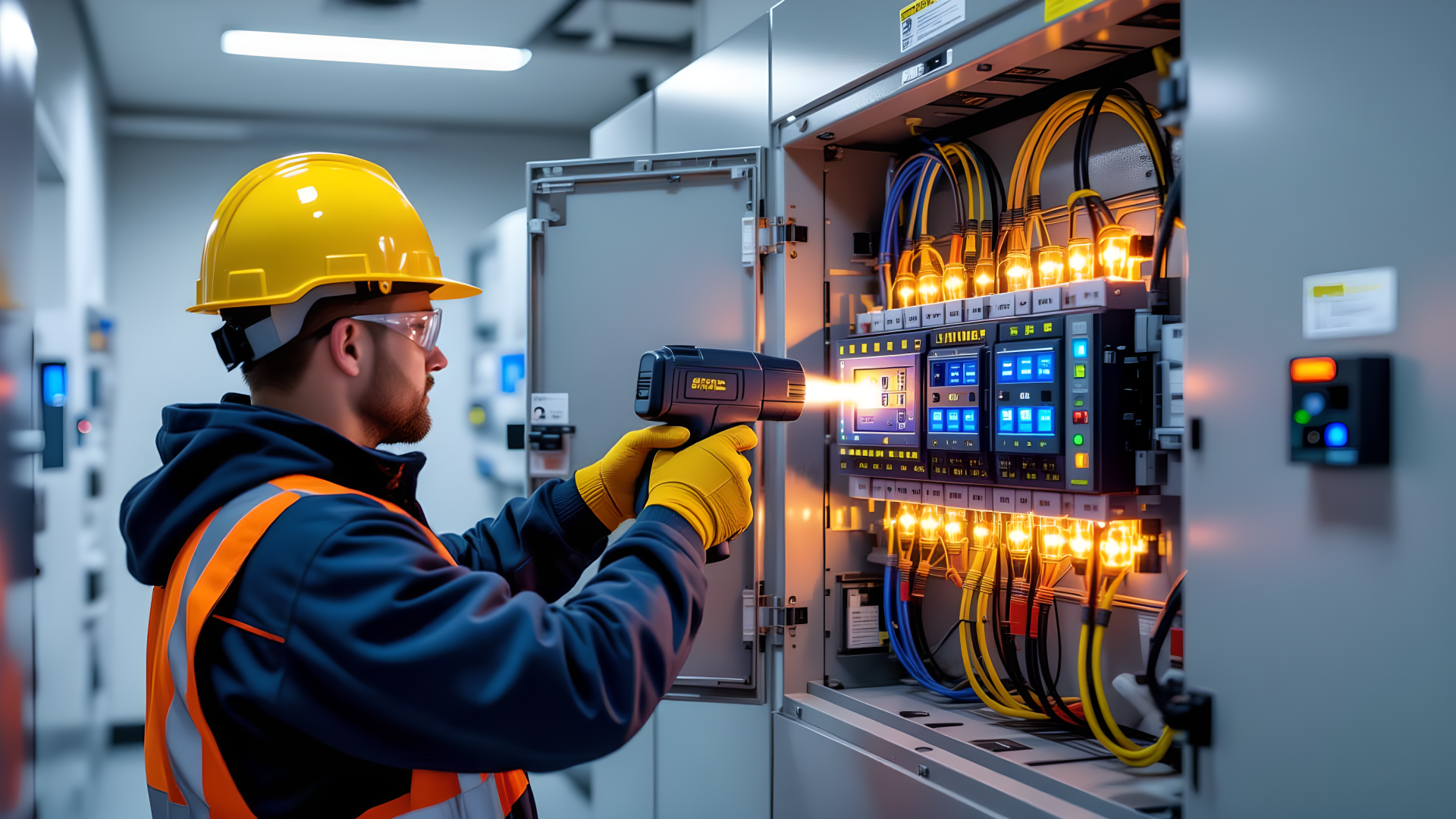
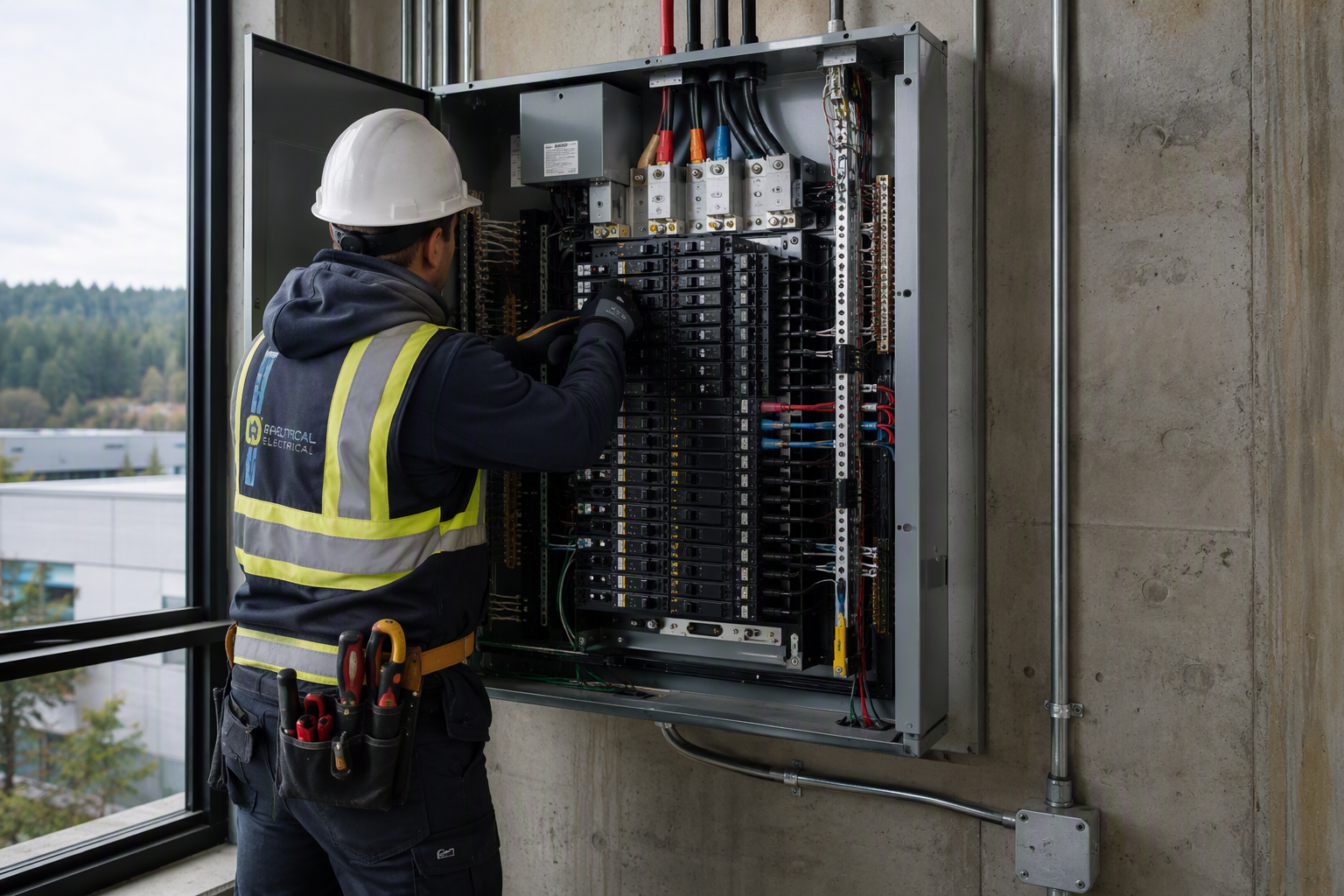
Thermal breakers will be tripped when a circuit becomes hotter than the average operating temperature. If an overloaded circuit did not have a thermal breaker, it will catch fire and cause a horrible outcome. Most governments and utility companies require a breaker panel to deliver electricity to your home safely. You will find the breaker panel in your garage or a room inside your home. Typically, close to the electrical meter. Once at the panel, open the door, and you will see switches. These are the electrical breakers. When you look at them, the switches should be in the ON position. The switch will be positioned in between the ON and OFF labels if the breaker is tripped. To reset, move the switch to the off position and then move it to the on position. This should bring back the electricity in the room you are facing problems. Suppose the breaker trips after you reset the breaker. Be sure all the appliances are unplugged and try resetting the circuit again if the breaker continues to trip. Please discontinue what you are doing and reach out to a local electrician.
Tripped Arc fault Breakers
Arc fault breakers are one of the latest safety protections to stop electrical fires. Their location is in the electrical panel, unlike a thermal breaker. The Arc Fault breaker will trip when electrical arcs are detected within the circuit. Electrical arcs are challenging to see. They do not overload the circuit and typically happen out of sight inside electrical outlets, electrical panels, or where wire corrosion happens. These arcs will cause damage to the electrical system and may start fires in your home. Please contact a professional If you have an Arc fault breaker that continues to trip after resetting the breaker.
Your electrical outlet not working?
If you completed the simple steps above and you still do not have power to your outlet. System Solutions of Washington services residential and commercial customers in the greater Puget Sound area. They are available 24/7 and are waiting for your call. Please note that you can seriously injure yourself without understanding how electricity works and cause fires that will change your life.