Low Voltage Systems for Commercial Buildings
Low voltage services are vital in commercial buildings. Low voltage (LV) electrical distribution systems in commercial buildings have various purposes, such as lighting, data and voice communications, and power distribution. In addition to these essential functions, low-voltage electrical distribution systems serve various other applications, such as fire alarm systems, lighting, low voltage appliances, emergency lighting, security systems and anything that is plugged into a 120 volt outlet. The key to understanding the different types of low voltage electrical distribution systems and their benefits is knowing the design and purpose.
What Is Low Voltage?
In commercial buildings, low voltage power provides critical communication systems, security systems, and other building needs. With that said, these systems are essential for most businesses. These low voltage systems generally operate at less than 120 or as low as 24 volts. Low voltage power serves large office buildings, shopping centers, and other commercial properties. Understanding the different types of low voltage systems and how they work is essential to determining the best solution for your building.
Types of Low Voltage Systems
Most of the time, when we speak about low voltage systems, we're referring to the electrical wiring that runs through a building. The wiring system includes the cable that carries the electricity that powers the 120 volt outlets, lights, the computer network that allows you to connect to the Internet, and the phone system that lets you talk to your friends and family.
The electrical wiring in significant high rises can be a daunting task, especially if you're not familiar with the type of available wiring systems. The electrical system in large buildings is quite complex and requires a certain level of expertise to install correctly. So what are some of the systems in the world that are in use today?
Alarm Systems
Commercial alarm systems protect a building and its occupants from various threats. A commercial alarm system's primary function is to protect property and warn of a dangerous situations, including break-ins, gas leaks, and even fires. When these rare events happen, the system will sound a loud alarm that can be heard over a wide area and send information via phone or the Internet to the proper authorities. For these systems to work, they utilize the electrical system.
Audio/Video
An audio system is a system that provides sound for a specific area or space. A video system is a system that provides images in a particular area or room. These systems can enhance a specific area or space or provide entertainment and live communication to an audience.
HVAC Control Systems
Low voltage wiring is a vital component of any HVAC system. It provides a means of connecting the various components of the HVAC system. It's necessary if you want to ensure that all the HVAC system parts work together. However, the type of wiring you choose depends on the building.
Lighting
As the lighting systems in a commercial building become more complex, so do the wiring requirements. It is especially true when you consider that lights in a building do not just work off a manual wall switch. Relay switches, sensors, dimmers, timers, and other devices control complicated lighting systems. All of these components typically fall under low-voltage wiring systems.
Computer Networks
Computer network systems allow users to access the Internet anywhere in the building. These systems can be installed in several ways and provide various benefits.
Telephone Networks
The telephone network is a vital part of our daily lives. Without it, we wouldn't be able to communicate with each other. However, when you think about it, the telephone network is a fairly complex system. It consists of several different components, all working together to enable us to make and receive phone calls.
Installation
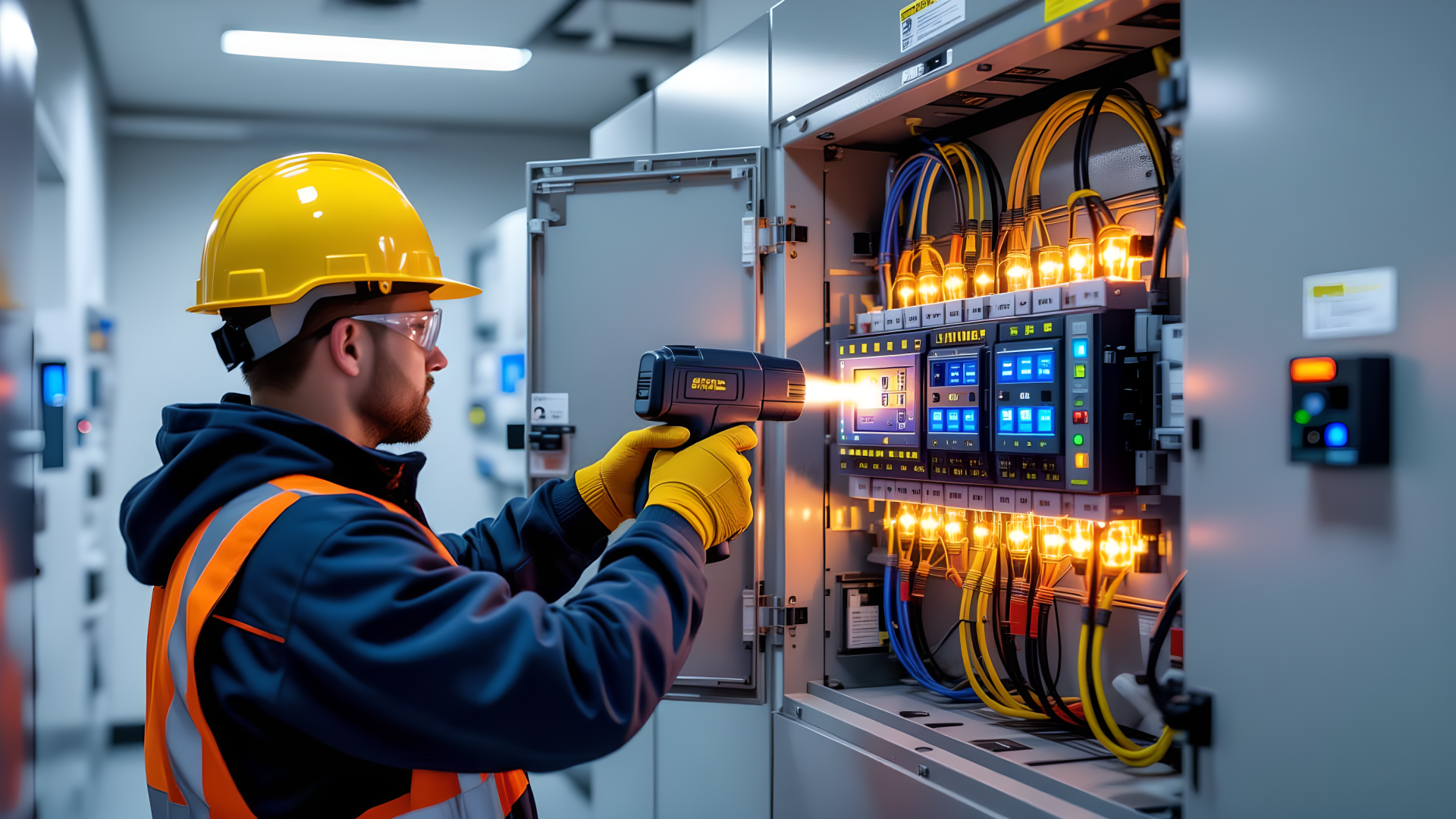
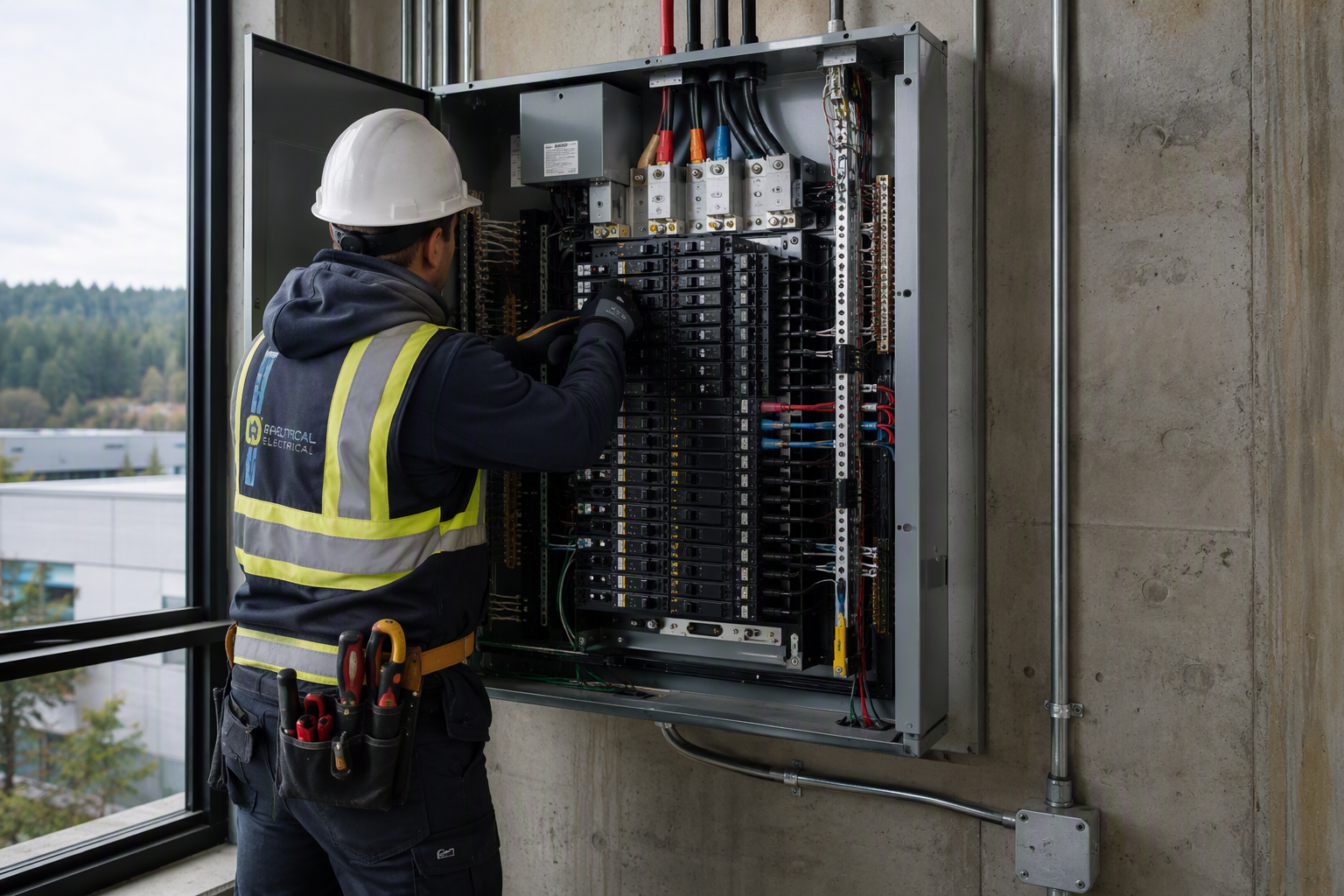
The installation of electrical power in commercial buildings is one of the essential tasks in the construction process. It is a critical step in ensuring that the building is safe for occupancy and protected from fire and electrical hazards. Most local governments require licensed electricians to install low-voltage systems in commercial buildings or industrial settings. The reasoning is simple. Electricity is dangerous, and poorly installed electrical systems will fail, causing property damage and potentially injuring someone.
Maintenance & Repair
Commercial buildings require a lot of electricity to run, and it is essential to maintain a reliable supply of electricity to avoid downtime and costly repairs. System Solutions of Washington is available to service and repair your commercial or industrial electrical system.