Harnessing the Sun's Power: The Unparalleled Advantages of Solar Energy for Modern Business
In modern business, solar energy emerges as a game-changer, offering benefits beyond the clean, renewable power it generates. It's a strategic move that aligns with financial prudence and environmental responsibility. With solar, companies can significantly reduce operating costs, thanks to lower energy bills and enticing incentives like the tax credit system. The investment tax credit (ITC) stands out. It allows businesses to deduct a substantial percentage of their initial solar installation costs from their federal taxes, making this leap more accessible than ever. This financial security and confidence in your investment decisions are unparalleled.
The allure of solar extends to manufactured products, which are now more efficient. These provide businesses with reliable energy sources that promise long-term savings. For projects beginning construction, the timing couldn't be better. Eligibility for federal solar tax benefits, including bonus and production tax credits, creates a compelling financial narrative. Tax year considerations further enhance the appeal, allowing for strategic planning around solar project implementation.
But it's not just about the numbers. Adopting solar is a statement that reflects a company's commitment to perfect sustainability and its role in a shared future. It's a move that resonates well on social platforms and within the media, bolstering a business's public image. In an age where energy choices can define a company's brand, going solar is becoming the default, not the exception. For businesses, the sun's power is no longer just an alternative; it's imperative for growth, resilience, and social responsibility.

Why Businesses Should Consider Solar Energy
Switching to solar isn't just a smart move; it's becoming a strategic necessity for businesses across the globe. We've seen firsthand how the shift towards renewable energy isn't merely a trend but a fundamental change in how companies operate. Leveraging solar energy offers both environmental benefits and a powerful tool for reducing overhead and enhancing brand value.
On the financial side, tax benefits significantly sweeten the deal. Imagine slashing operational costs and gaining a tax credit that positively impacts your bottom line. It's about more than just the immediate returns, too. Solar installations are long-term investments that continue to pay dividends beyond their initial payback period. This aspect of solar makes it not just an expense but a genuinely savvy investment in your business's future, instilling a sense of optimism and forward-thinking in your business strategy.
Moreover, becoming a solar-powered business positions your brand as a leader in sustainability, a quality that's becoming increasingly important to consumers, employees, and stakeholders. It's a powerful statement in today's market, where being green is not just nice but necessary. This shift towards sustainable practices isn't just good for the planet; it's a strategic move that enhances customer loyalty and attracts top talent who want to work for responsible, forward-thinking companies.
Now, let's talk about the solar tax credit. This isn't just a tiny perk; it's a significant incentive that reduces the cost of going solar by allowing businesses to deduct a portion of their solar investment from their federal tax liabilities. Imagine reducing your taxable income simply by choosing to invest in solar. The process of claiming these credits is straightforward, and with the option to roll over unused credits to the next tax year, the benefits extend even further. This remarkable flexibility ensures that businesses of all sizes can take full advantage of solar's financial benefits.

But wait, there's more. Beyond the immediate financial incentives, solar installations contribute to a more resilient energy system. By reducing dependence on traditional power sources, businesses can insulate themselves against default risks and the volatility of energy prices. This level of energy independence secures your operations against power outages and fluctuations in energy costs and contributes to a more stable, sustainable energy landscape.
Furthermore, manufactured products within the solar sector have seen significant advancements, increasing efficiency and decreasing costs. These improvements mean that solar for business is more accessible and beneficial than ever. Companies embarking on new solar projects can expect to see a return on their investment through savings and tax credits and contribute to a more significant movement towards renewable energy solutions.
As we navigate these decisions, we must consider how our choices today shape our future. A recent report highlights the transformative potential of integrating solar into our energy mix, emphasizing its role in reimagining grid solutions (Reimagining Grid Solutions Report). This document underscores solar's environmental and financial benefits and its essential role in building a sustainable, resilient energy infrastructure.
The decision to adopt solar energy transcends mere cost savings. It's about positioning your perfect business for success in a rapidly changing world where sustainability and environmental responsibility are no longer optional but necessary. By embracing solar, we're not just cutting costs or gaining tax benefits; we're joining a movement towards a more sustainable, resilient, and socially responsible business landscape.
Environmental Impacts of Solar Energy
Exploring the vast potential of solar energy's environmental benefits, we find ourselves at a crossroads where solar for business isn't just an option but a necessity for a greener planet. Our journey into renewable energy has shown that solar significantly reduces the carbon footprint, a step crucial for battling climate change. It's a game-changer, allowing companies to harness the sun's power, translating into energy savings and playing a pivotal role in environmental conservation. This commitment to sustainability and responsibility is critical to the solar energy narrative.
Let's delve into the environmental impacts of solar energy. When businesses decide to go solar, they're not just tapping into cost savings; they're contributing to a larger narrative of ecological stewardship. Here's how:
- Reduction in Greenhouse Gas Emissions: Every kilowatt-hour generated from solar energy instead of fossil fuels significantly reduces greenhouse gas emissions, notably carbon dioxide.
- Decrease in Water Usage: Unlike traditional power generation methods, solar energy requires no water to produce electricity. Conserving water resources is vital, especially in drought-prone regions.
- Reduction of Dependence on Nonreliable Energy Sources: By investing in solar energy, businesses can reduce their reliance on imported fuels, improve energy security, and reduce the risks associated with fuel supply disruptions.
- Support for Local Economies: Solar projects often create jobs in the community, from installation to maintenance, bolstering the local economy.
- Minimal Environmental Disruption: Solar energy systems, especially installed on existing structures, have a minimal physical footprint, preserving natural habitats and agricultural spaces.
One aspect often overlooked is the role of solar tax credits. These incentives make solar more affordable for businesses and encourage the adoption of clean energy. The tremendous federal solar tax credit, investment tax credit (ITC), and potential bonus tax credits are available to meet specific criteria. Dramatically decrease the initial investment required for solar installations.
For businesses contemplating solar, it's paramount to understand the tax benefits associated with these investments. The solar tax credit, for instance, allows companies to deduct a significant % of their solar project cost from their federal tax liability, creating a powerful incentive to choose solar. This, coupled with the possibility of qualifying for bonus tax credits or a production tax credit, depending on the specifics of your vital project, can significantly change the financial viability of the investment.
Our role in this transition isn't just about adopting solar for business; it's about leading by example. By integrating solar into our operations, we're reaping the benefits of cost savings and tax incentives and contributing to a sustainable future. Our commitment to solar energy reflects our dedication to corporate responsibility and environmental stewardship. It's a testament to our belief in doing well by doing good, ensuring that our business practices promote ecological sustainability and social well-being.
Given these insights, it's clear that businesses should embrace solar energy. This move aligns with global sustainability goals and positions companies as leaders in the drive for a cleaner, more resilient future. We've seen firsthand the transformative impact solar can have on our operations and the planet. It's our shared responsibility to continue this momentum, pushing the boundaries of what's possible with solar for business.
Solar Incentives: Understanding Rebates and Depreciation Benefits
Diving into the nuances of solar incentives, particularly rebates and depreciation benefits can unlock substantial fiscal advantages for businesses. These incentives reduce upfront costs and enhance the return on investment over time. Let's explore how these financial mechanisms function and why they're crucial for companies transitioning to solar.
Tax incentives play a critical role, with the investment tax credit (ITC) standing out by allowing businesses to deduct a decent portion of their solar expenses from their tax obligations. This immediate deduction can significantly lower the initial financial barrier to solar adoption. Equally important is understanding the production tax credit (PTC), which rewards businesses for the solar power they generate, further cementing solar as a lucrative venture.
Beyond these, depreciation benefits through the Modified Accelerated Cost Recovery System (MACRS) enable businesses to recover investments in solar over a specified period. This accelerates the depreciation of solar assets, yielding tax savings faster and improving cash flow in the early years post-installation.
When considering solar for business, it's vital to explore local and state rebates, which can vary widely but often provide direct reductions in installation costs. Coupled with federal incentives, these can drastically reduce the overall investment required.
Here's a quick list to ensure you're on the right track:
- Verify eligibility for the investment tax credit and calculate potential savings.
- Research local and state rebates available for solar installations.
- Understand how the production tax credit could benefit your business if applicable.
- Assess the potential for accelerated depreciation through MACRS and its impact on your tax obligations.
- Consult with a solar financial expert to tailor these incentives to your company's unique fiscal situation.
Remember, while the tax year and project beginning construction dates are pivotal for some incentives, planning and timing can make a difference in maximizing benefits.
We've seen firsthand the transformative power of solar. It's not just about the tax savings; it's about positioning our business as a leader in sustainability and innovation. By tapping into these incentives, we can offset costs and expedite our return on investment, making solar a smart financial move as much as an environmental one.
The landscape for solar incentives is rich with opportunities for businesses ready to leap. By understanding and leveraging rebates and depreciation benefits, companies can significantly reduce their unique tax burden and enhance their sustainability credentials. After all, going solar isn't just good for the planet—it's a savvy business strategy that pays dividends both financially and in terms of corporate reputation.
Navigating these incentives might initially seem daunting, but the payoff is undeniable. Businesses stand to gain in reduced operational costs and contribute to a cleaner, more sustainable future. It's a win-win scenario that's too beneficial to overlook. Let's embrace solar and lead the change towards a brighter, more sustainable future for our businesses and communities.

Common Questions About Solar for Business
Exploring solar for business often leads to many inquiries about how this renewable energy source can benefit a company's bottom line and environmental footprint. We've gathered the most common questions about adopting solar to help demystify the process and highlight its tangible advantages for the corporate sector.
Is my business a good candidate for solar?
Most businesses with a physical location can reap the benefits of solar, especially those with ample roof space or unused land. The critical criteria include having a sunny location and sufficient space to host the panels. It's not just about geography; it's about assessing your current energy expenditures and how solar can offset these costs over time.
How does the investment tax credit (ITC) work for businesses?
The tax credit is a pivotal incentive for businesses considering solar. It allows companies to deduct a solid percentage of their solar investment from their federal taxes, directly lowering the upfront cost of solar installation. The rate can vary, so it's crucial to consult current guidelines and understand how the ITC can benefit your tax year.
Will solar energy affect my business operations?
Installing solar panels typically has minimal impact on day-to-day operations. Most installations are completed within a few days to a few weeks, depending on the project's scale. Once operational, solar systems require little maintenance, allowing businesses to enjoy the benefits without significant changes to their operational workflow.
Can solar power provide energy during a blackout?
This depends on your solar system setup. With the addition of battery storage, your business can use stored solar energy during power outages, providing an uninterrupted power supply. Systems typically shut down without storage for safety reasons to prevent back-feeding the grid during an outage.
What are the long-term benefits of going solar for businesses? Beyond the immediate tax and utility savings, solar positions a business as a top leader in sustainability, enhancing its brand among consumers and stakeholders who value environmental responsibility. Solar protection against rising energy costs, securing more predictable energy expenses.
How do I start the process of installing solar for my business?
We recommend beginning with a comprehensive energy audit to understand your current energy needs and potential solar capacity. From there, seeking quotes from reputable solar providers will give you a clearer picture of the costs and savings involved. Remember, choosing a provider with experience in commercial solar projects is crucial for a smooth transition.
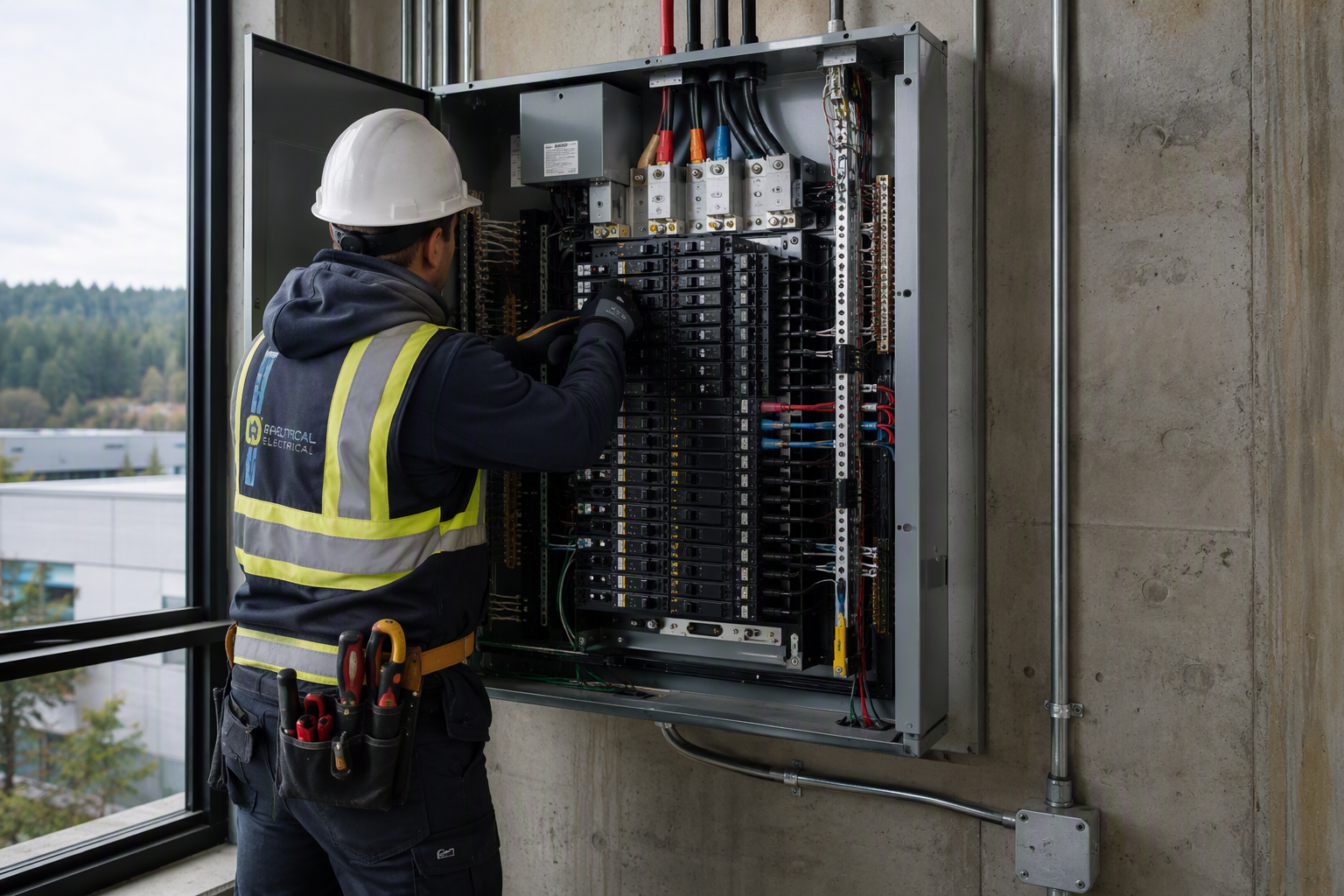
For those interested, our guide on future commercial building wiring offers insights into integrating solar with your business's infrastructure for optimal efficiency and savings.
Conclusion
In our journey to make our businesses more sustainable and cost-effective, we've discovered that solar energy is more than just a trend; it's a game-changer. Embracing solar power offers an opportunity to reduce operational costs over time and demonstrate a commitment to environmental stewardship. It's a win-win situation that aligns with our values and bottom line.
Understanding the incentives, including rebates and depreciation benefits, can significantly reduce the significant upfront costs, making solar installations even more attractive. We've navigated through shared concerns and questions, realizing that the first investment pays dividends in the long run, both financially and environmentally.
As we move forward, let's remember the lasting impact of our choices on the planet. Adopting solar energy isn't just a wise business decision; it's our contribution to a cleaner, more sustainable future. Let's lead by example, showing that profitability and sustainability can go hand in hand. Together, we can harness the sun's power to light up our businesses today and safeguard our world for tomorrow.