From Blueprint to Breaker Box: The Puget Sound Property Owner's Complete Electrical Planning Guide
Whether you're breaking ground on a new build or tearing down walls for a remodel, your electrical system is the one thing you can't afford to get wrong.
There's a moment in every construction or remodeling project when the excitement of new floors, fresh paint, and modern fixtures gives way to a more sobering reality: the walls are open, the inspector is scheduled, and someone needs to make sure the electrical is right — not just functional, but code-compliant, future-ready, and safe for the next 30 years.
In the Puget Sound region — across Snohomish, King, Pierce, and Whatcom counties — that moment comes with its own set of local variables. Washington State has adopted the National Electrical Code (NEC) with state-specific amendments under WAC 296-46B. The 2026 code cycle has introduced new requirements around arc-fault protection, EV readiness, and energy efficiency. And the region's rapid growth means inspectors, permits, and licensed contractors are all in high demand.
This guide is written for two audiences: property owners managing an existing building through a remodel, and developers or homeowners building from the ground up. We'll walk through what to plan for, what questions to ask, what the code requires, and how to avoid the costly mistakes we see most often in our work across the greater Puget Sound area.
Part 1: If You're Building From the Ground Up
Start With the End in Mind
The single biggest electrical mistake in new construction isn't a wiring error — it's under-planning. When a home or commercial building is framed and the walls are open, every future upgrade is cheap. Once drywall goes up, every change is expensive.
Before your electrician pulls a single wire, sit down and think through the next 10–15 years of how this building will be used:
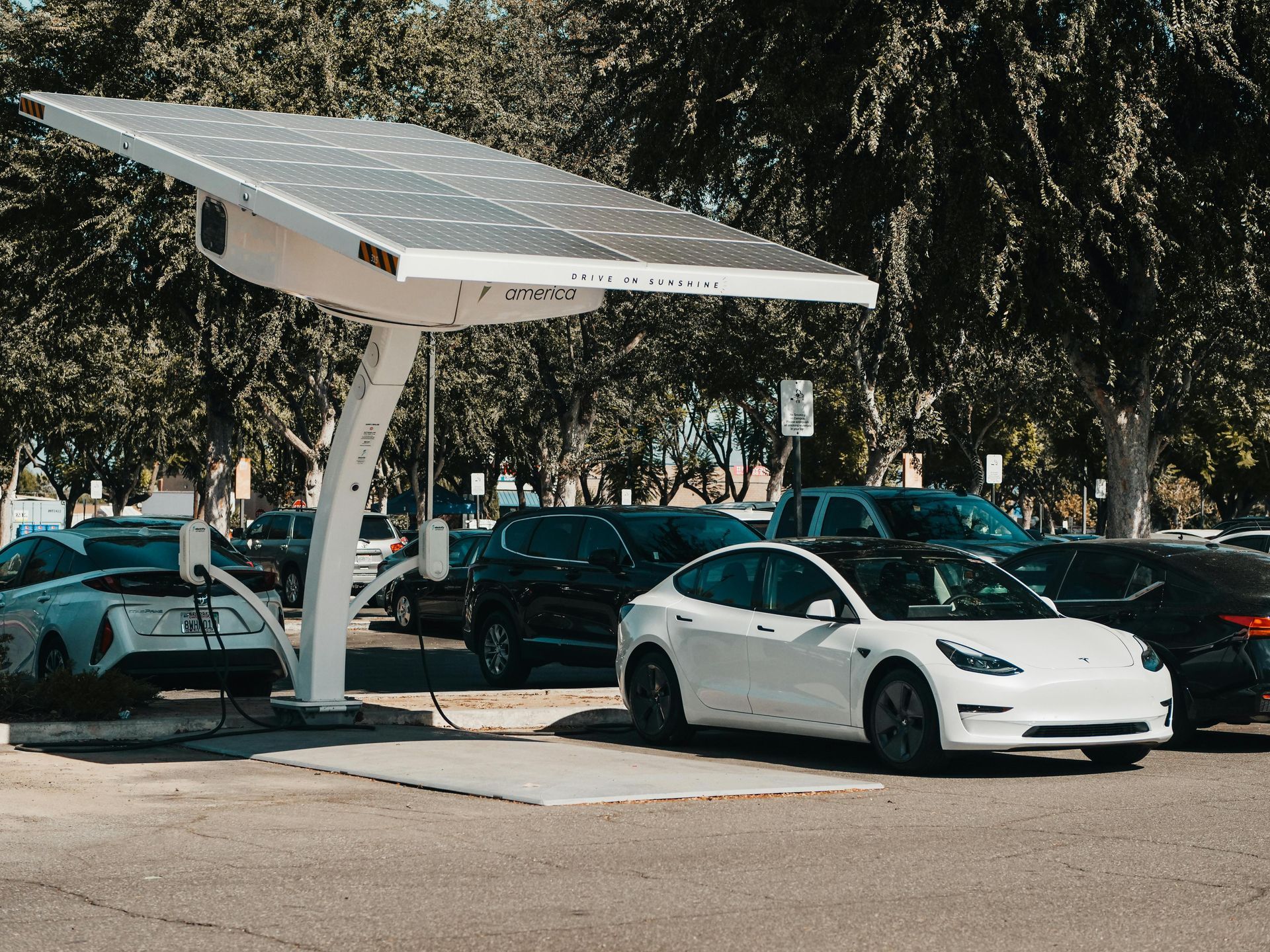
- Will you ever add an EV charger? Washington State is one of the fastest-growing EV markets in the country. Even if you don't own an electric vehicle today, running a dedicated 240V circuit and conduit to the garage during rough-in costs a fraction of what it costs to retrofit later. (Most residential Level 2 charger installations use a NEMA 14-50 outlet on a 50A circuit, or a hardwired connection on a 60A circuit — your electrician will size it based on the charger's amperage rating.)
- Are you planning a home office, ADU, or workshop? These spaces have specific circuit requirements — dedicated circuits for equipment, proper lighting loads, and, in some cases, subpanel installations.
- What appliances are going in? Modern kitchens with induction ranges, double ovens, and wine coolers draw significantly more power than kitchens designed 20 years ago. Your panel needs to be sized for today's loads, not yesterday's.
- Do you want smart home capability? Pre-wiring for structured cabling, lighting controls, security cameras, and whole-home audio is dramatically easier during construction. Low-voltage rough-in runs alongside your electrical rough-in — but it has to be planned in advance.
Right-Sizing Your Electrical Service
In Washington State, new residential construction typically requires a minimum 200-amp service. But "minimum" and "right-sized" are not the same thing.
If your new home includes or anticipates:
- An EV charger (Level 2 requires a dedicated 240V/50A circuit)
- Electric heat pump or mini-split systems
- Electric water heater
- Induction range
- Hot tub or sauna
- Future ADU or shop
...then a 200-amp service may be undersized from day one. Many new builds in Snohomish and King County are now being designed with 400-amp service or a 200-amp main panel with a subpanel to accommodate current and future loads. Your licensed electrician should perform a formal load calculation — not an estimate — before the service size is finalized.
Understanding the Washington State Permit Process for New Construction
Under RCW 19.28, all electrical work in Washington must be performed by a licensed electrical contractor (with limited exceptions for owner-occupants performing work on their own residence, farm, or place of business — though important restrictions apply for new construction intended for rent or sale). For new construction, the permit process typically works like this:
- Your electrical contractor submits a permit application to Washington State L&I or the local Authority Having Jurisdiction (AHJ). In some cities — including Everett and Lynnwood — local programs run parallel to the state system.
- A permit is issued based on the scope of work, service size, and occupancy type.
- Rough-in inspection occurs before walls are closed. This is when the inspector verifies that all wiring, boxes, and conduit are correctly installed and meet code.
- Final inspection happens after all devices, fixtures, and panels are installed and before the building is energized for occupancy.
Pro tip: Schedule your electrician early. In the current Puget Sound construction market, licensed electrical contractors are booked weeks or months in advance. Waiting until framing is complete to hire an electrician can delay your entire project timeline.
What the 2026 NEC Updates Mean for New Builds
Washington's adoption of updated NEC standards has introduced several requirements that directly affect new construction. (For a deeper dive into how these changes affect multi-family and commercial properties specifically, see our post: (2026 Electrical Code Changes Every Property Manager in Puget Sound Needs to Know.)
- AFCI (Arc-Fault Circuit Interrupter) protection is now required in virtually all living spaces, including kitchens, family rooms, dining areas, and bedrooms. AFCI breakers detect dangerous arcing conditions that standard breakers miss — they're a meaningful safety upgrade, not just a code checkbox.
- GFCI protection is required in all bathrooms, kitchens, garages, outdoors, and anywhere within 6 feet of a water source.
- EV-ready requirements are increasingly being incorporated into new residential construction standards. Even if not yet mandated in your specific jurisdiction, building EV-ready from the start is both cost-effective and increasingly expected by buyers.
- Tamper-resistant receptacles are required in all new residential construction.
- Washington State Energy Code (WSEC) imposes lighting efficiency standards that affect fixture selection and control systems in new builds.
Part 2: If You're Remodeling an Existing Property
Why Electrical Is Almost Always Part of a Remodel — Even When You Don't Plan It
Here's something most property owners don't realize until they're mid-project: in Washington State, when you open walls for a remodel, you may be legally required to bring the electrical in that area up to current code — even if you weren't planning to touch it.
This isn't a technicality to work around. It's a protection for you, your tenants, and your investment. Older homes and commercial buildings in the Puget Sound area — particularly those built before 1980 — frequently contain:
- Knob-and-tube wiring, which is ungrounded, cannot support modern loads, and is often uninsurable
- Aluminum branch circuit wiring (common in homes built 1965–1973), which requires special devices and connections to be safe
- Cloth-insulated wiring that has become brittle and cracked over decades
- Undersized panels (60-amp or 100-amp service) that cannot safely support modern appliances, HVAC systems, or EV chargers
- Ungrounded outlets throughout the home
- Missing GFCI and AFCI protection in locations now required by code
Discovering these conditions mid-remodel isn't a disaster — it's an opportunity. Addressing them while the walls are already open is far less expensive than doing it as a standalone project later.
The Kitchen and Bathroom Remodel Electrical Checklist
Kitchens and bathrooms are the two most electrically demanding rooms in any home, and they're also the most common remodel projects. Here's what a licensed electrician will typically address:
Kitchen:
- Dedicated 20-amp circuits for countertop appliances (NEC requires at least two small appliance circuits)
- Dedicated circuit for refrigerator
- Dedicated 240V circuit for range or oven (if electric)
- GFCI protection on all countertop receptacles
- AFCI protection on all new circuits
- Under-cabinet lighting circuits
- Exhaust fan wiring
- Dishwasher dedicated circuit
- Garbage disposal circuit
Bathroom:
- GFCI protection on all receptacles (no exceptions)
- Dedicated circuit for bathroom (NEC 210.11(C)(3))
- Exhaust fan wiring (with or without light/heat combination)
- Heated floor circuit (if applicable)
- Proper lighting for task and ambient needs
Panel Upgrades: When You Need One and What It Costs
A remodel is often the trigger that reveals an undersized electrical panel. Signs that your panel needs upgrading include:
- Breakers that trip frequently
- Lights that dim when appliances run
- A 60-amp or 100-amp main panel in a home with modern loads
- Fuse boxes (these should always be replaced)
- No room to add circuits for new appliances or EV chargers
- Federal Pacific or Zinsco panels (these have documented safety issues and should be replaced regardless of age)
In the greater Seattle and Snohomish County area, a standard 100-amp to 200-amp panel upgrade typically runs 3,500–3,500–5,500 for the panel itself. Costs increase when the work involves service mast replacement, meter base upgrades, or partial rewiring — which is common in older homes. A full service upgrade with associated work can range from 8,000–8,000–15,000 depending on scope.
The right approach is to have your electrician perform a load calculation before recommending a panel size. This is a formal engineering calculation — not a guess — that accounts for all existing and planned loads in the building.
Additions, ADUs, and Garage Conversions
Accessory Dwelling Units (ADUs) are increasingly popular across Snohomish and King County as property owners look to add rental income or multigenerational living space. From an electrical standpoint, ADUs typically require:
- A subpanel fed from the main panel (or a separate meter in some cases)
- Dedicated circuits for kitchen appliances
- Bathroom circuits with GFCI protection
- Smoke and carbon monoxide alarm interconnection
- Exterior lighting
- Separate metering if the ADU will be rented (check with your local jurisdiction)
Garage conversions and shop builds have their own requirements, including proper circuit sizing for tools and equipment, subpanel installation, and in some cases, 240V circuits for welders, compressors, or EV chargers.
Part 3: Questions Every Property Owner Should Ask Before Hiring an Electrician
Whether you're building new or remodeling, the electrician you hire will have a significant impact on your project's safety, timeline, and budget. Here are the questions that matter most:
1. Are you licensed in Washington State? All electrical contractors in Washington must be licensed through L&I. You can verify a license at Washington State L&I. Don't skip this step — unlicensed work creates liability, insurance issues, and can prevent you from selling the property.
2. Will you pull the permits and schedule inspections? A reputable electrical contractor handles permitting as part of the job. If a contractor suggests skipping permits to save money, walk away. Unpermitted electrical work is a serious liability and a common deal-killer in real estate transactions.
3. Can you perform a load calculation before recommending a panel size? This separates experienced contractors from those who guess. A proper load calculation is the foundation of a well-designed electrical system.
4. How do you coordinate with other trades? Electrical rough-in has to happen in sequence with framing, plumbing, HVAC, and insulation. An experienced contractor communicates proactively with your general contractor and other trades to keep the project on schedule.
5. What's your experience with projects like mine? New construction, commercial remodels, multi-family buildings, and residential renovations each have different code requirements and logistical challenges. Make sure your electrician has relevant experience.
6. Can you future-proof the installation? Ask specifically about EV charger readiness, smart home pre-wiring, and panel capacity for future loads. A good electrician thinks beyond today's requirements.
Part 4: The Electrical Upgrades That Add the Most Value in the Puget Sound Market
If you're remodeling with an eye toward resale or rental value, these electrical upgrades consistently deliver strong returns in the King, Snohomish, and Pierce County markets:
1. Panel Upgrade to 200 Amps (or Higher)
An undersized panel is a red flag for buyers and a barrier to modern living. A 200-amp panel is now considered baseline for any home with modern appliances. For homes with EV chargers, heat pumps, or planned additions, 400-amp service or a subpanel configuration is increasingly the standard.
2. EV Charger Circuit Pre-Installation
Even if the homeowner doesn't own an EV today, a dedicated 240V circuit in the garage — with a NEMA 14-50 outlet (on a 50A circuit) or a hardwired Level 2 charger — is a meaningful selling point. Washington State has some of the highest EV adoption rates in the country, and buyers notice. If you're a business owner thinking about EV infrastructure for your property or parking lot, our Complete Guide to Commercial EV Charging Station Installation for Puget Sound Businesses covers everything you need to know about Level 2 and DC fast charging options, rebates, and NEC compliance.
3. Whole-Home Surge Protection
A whole-home surge protector installed at the panel protects all connected devices from voltage spikes caused by lightning, utility switching, and large appliance cycling. It's a relatively low-cost upgrade (typically 400–400–900 installed in the Puget Sound market) with significant protective value.
4. LED Lighting and Lighting Controls
Replacing outdated fluorescent or incandescent fixtures with LED lighting — combined with dimmer controls and occupancy sensors — reduces energy consumption and modernizes the feel of any space. Washington's energy code increasingly requires efficient lighting in remodeled spaces.
5. Smart Home Pre-Wiring
Running low-voltage conduit and cabling for smart switches, security cameras, doorbell cameras, and whole-home audio during a remodel costs a fraction of what it costs to retrofit. Even if the homeowner doesn't install smart devices immediately, the infrastructure adds value.
Working With a Local Electrical Contractor Who Knows the Puget Sound
There's a meaningful difference between hiring a large national electrical franchise and working with a locally rooted contractor who has spent years navigating Washington State's specific code requirements, permit processes, and inspection standards.
At System Solutions of Washington, we're based in Lynnwood and have served property owners, developers, and building contractors across King, Snohomish, Pierce, and Whatcom counties for years. Our team carries over 150 years of combined experience across commercial, industrial, and residential electrical projects — from ground-up new construction to complex remodels, panel upgrades, low-voltage systems, and EV charging infrastructure.
We've worked on projects ranging from the Lynnwood Justice and Recovery Center to school modernization projects, commercial tenant improvements, and residential remodels throughout the greater Puget Sound area. We know what local inspectors look for, how to sequence work with other trades, and how to design electrical systems that serve your building for decades — not just pass inspection today.
Ready to Plan Your Electrical System the Right Way?
Whether you're in the early planning stages of a new build, about to start a kitchen remodel, or trying to figure out if your panel can handle a heat pump and an EV charger, we're here to help.
Contact System Solutions of Washington for a consultation. We'll walk through your project, perform the load calculations, and give you a clear picture of what your electrical system needs — now and in the future.
📞 (425) 249-2076 ✉️ fredw@systemsolutionswa.com 🌐 systemsolutionswa.com
Serving Seattle, Everett, Bellevue, Lynnwood, and communities throughout King, Snohomish, Pierce, and Whatcom County.
System Solutions of Washington LLC is a licensed electrical contractor based in Lynnwood, WA. All electrical work is performed by certified electricians in compliance with Washington State L&I requirements and the adopted National Electrical Code.